
.jpg)

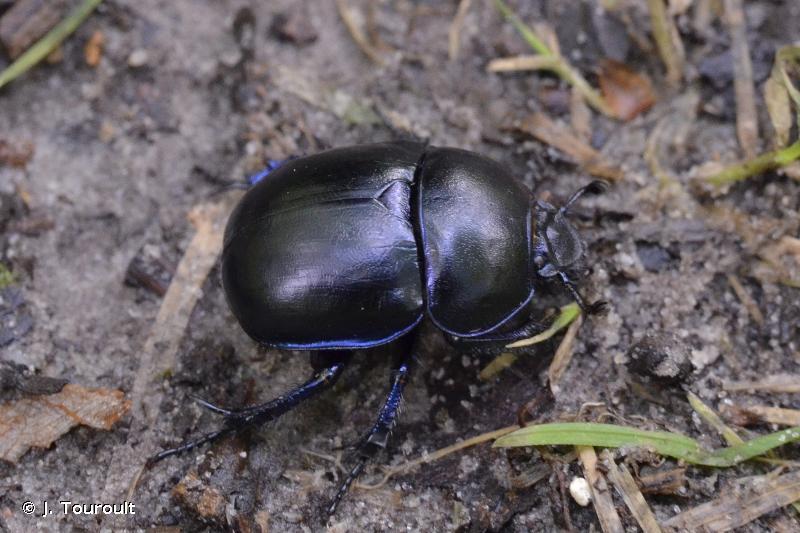
Géotrupes
Geotrupidae Latreille, 1802



Taxon(s) agrégé(s) sur cette fiche

- 414 observations
-
79
communes -
79
observateurs
18
organismes -
Première observation
1893 -
Dernière observation
2026
Argentan - Athis-Val de Rouvre - Aunay-les-Bois - Avrilly - Bagnoles de l'Orne Normandie - Bailleul - Beauvain - Belforêt-en-Perche - Bellême - Boischampré - Carrouges - Ceaucé - Chailloué - Champsecret - Chanu - Cuissai - Domfront en Poiraie - Dompierre - Écouves - Essay - Feings - Gandelain - Giel-Courteilles - Gouffern en Auge - La Bellière - La Chapelle-Montligeon - La Chapelle-près-Sées - La Ferrière-Béchet - La Ferté Macé - Lalacelle - La Lande-de-Goult - La Lande-Patry - Landisacq - Le Bouillon - Le Ménil-Broût - Le Ménil-de-Briouze - Les Genettes - Les Monts d'Andaine - Les Ventes-de-Bourse - L'Hôme-Chamondot - Longny les Villages - Lonlay-l'Abbaye - L'Orée-d'Écouves - Magny-le-Désert - Marchemaisons - Ménil-Erreux - Montabard - Montsecret-Clairefougère - Monts-sur-Orne - Mortrée - Moutiers-au-Perche - Neauphe-sous-Essai - Occagnes - Passais Villages - Perrou - Putanges-le-Lac - Rémalard en Perche - Rives d'Andaine - Sablons sur Huisne - Saint-Aubin-d'Appenai - Saint-Aubin-de-Bonneval - Saint-Brice - Sainte-Honorine-la-Guillaume - Saint-Evroult-Notre-Dame-du-Bois - Saint-Fraimbault - Saint-Germain-du-Corbéis - Saint-Gervais-des-Sablons - Saint-Mard-de-Réno - Saint-Martin-du-Vieux-Bellême - Saint-Martin-l'Aiguillon - Saint-Nicolas-des-Bois - Saint-Patrice-du-Désert - Saint-Philbert-sur-Orne - Saint-Sulpice-sur-Risle - Sées - Tanville - Tellières-le-Plessis - Tourouvre au Perche - Vieux-Pont
-

PNR du Perche
Participation à 126 Observations
Part d'aide à la prospection : 30.43 %
Fiche organisme
-

PNR et géoparc mondial UNESCO Normandie-Maine
Participation à 100 Observations
Part d'aide à la prospection : 24.15 %
Fiche organisme
-

Association Faune & Flore de l'Orne (AFFO)
Participation à 86 Observations
Part d'aide à la prospection : 20.77 %
Fiche organisme
-

UMS PatriNat (OFB-CNRS-MNHN)
Participation à 43 Observations
Part d'aide à la prospection : 10.39 %
Fiche organisme
-

Muséum national d'Histoire naturelle (MNHN)
Participation à 32 Observations
Part d'aide à la prospection : 7.73 %
Fiche organisme
-
Université Montpellier III (UPVM)
Participation à 27 Observations
Part d'aide à la prospection : 6.52 %
Fiche organisme
-

Conseil départemental de l'Orne (bureau ENS)
Participation à 22 Observations
Part d'aide à la prospection : 5.31 %
Fiche organisme
-

Système mondial d’information sur la biodiversité (GBIF)
Participation à 15 Observations
Part d'aide à la prospection : 3.62 %
Fiche organisme
-
Habitants-bénévoles
Participation à 14 Observations
Part d'aide à la prospection : 3.38 %
Fiche organisme
-
GRoupe d'ETude des Invertébrés Armoricains (GRETIA)
Participation à 8 Observations
Part d'aide à la prospection : 1.93 %
Fiche organisme
-
Ministère de la Transition écologique et de la Cohésion des territoires
Participation à 8 Observations
Part d'aide à la prospection : 1.93 %
Fiche organisme
-
Bureaux d'études & consultants
Participation à 8 Observations
Part d'aide à la prospection : 1.93 %
Fiche organisme
-
Office national des forêts (ONF)
Participation à 5 Observations
Part d'aide à la prospection : 1.21 %
Fiche organisme
-

CPIE Collines normandes
Participation à 4 Observations
Part d'aide à la prospection : 0.97 %
Fiche organisme
-

-

Conservatoire d'espaces naturels de Midi-Pyrénées (CEN MP)
Participation à 1 Observation
Part d'aide à la prospection : 0.24 %
Fiche organisme
-
Peter Stallegger (Consultant Environnement)
Participation à 1 Observation
Part d'aide à la prospection : 0.24 %
Fiche organisme
-
Le Monde des Insectes (insectes.org)
Participation à 1 Observation
Part d'aide à la prospection : 0.24 %
Fiche organisme


(Anoplotrupesstercorosus).jpg)

.jpg)


Informations espèce
Répartition actuelle en France métropolitaine
© INPN - Avertissement : les données visualisables reflètent l'état d'avancement des connaissances et/ou la disponibilité des données existantes au niveau national : elles ne peuvent en aucun cas être considérées comme exhaustives.
Répartition actuelle dans le monde
Avertissement : les données visualisables reflètent l'état d'avancement des connaissances et/ou la disponibilité des données existantes au niveau mondial : elles ne peuvent en aucun cas être considérées comme exhaustives.