
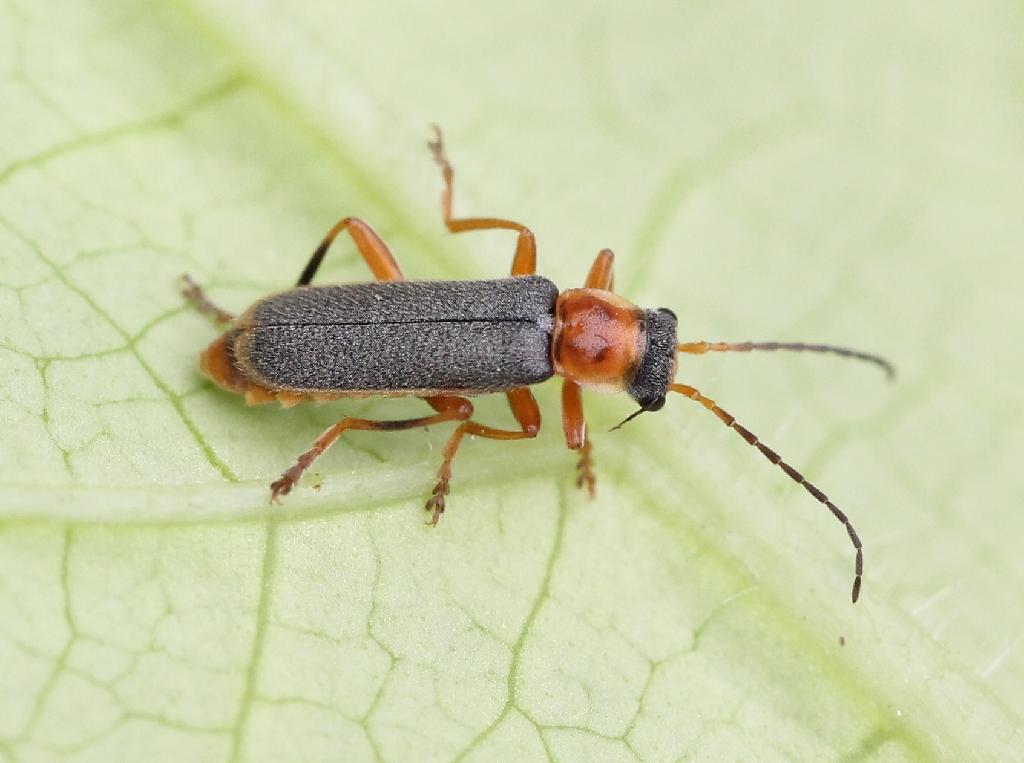

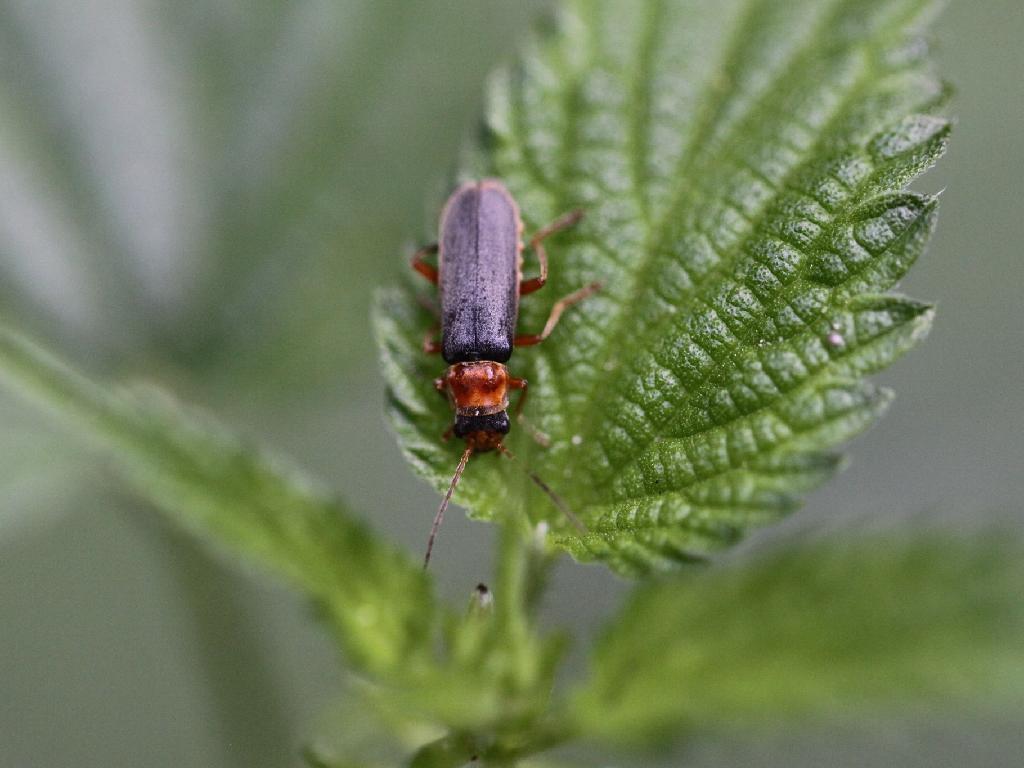
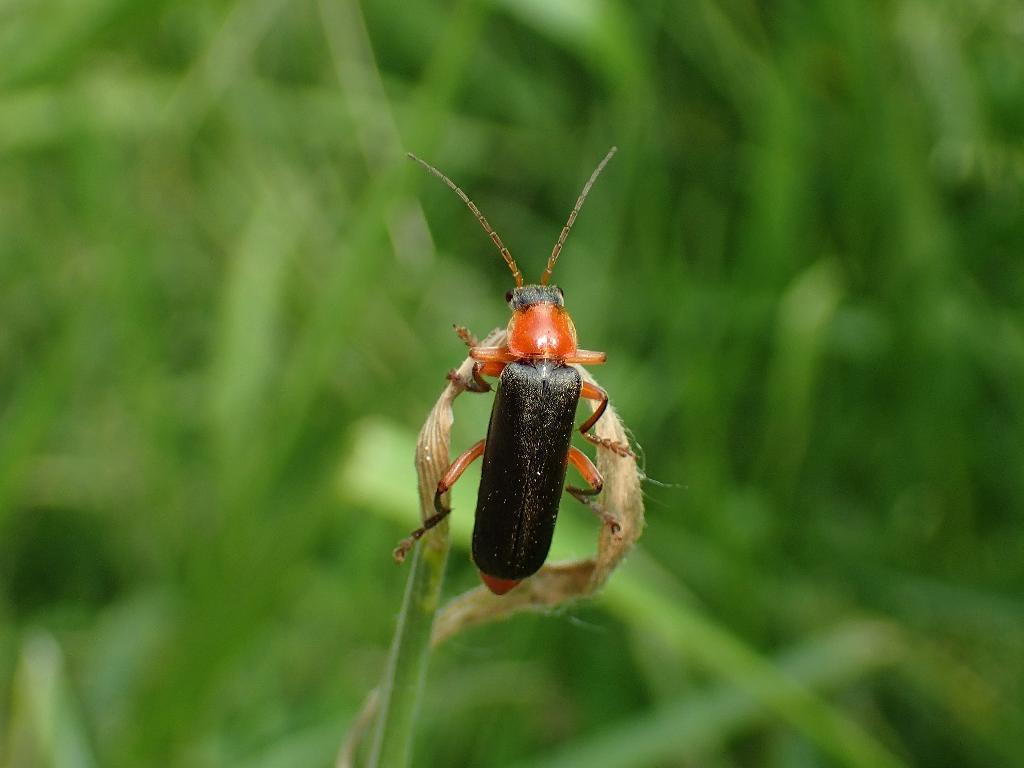
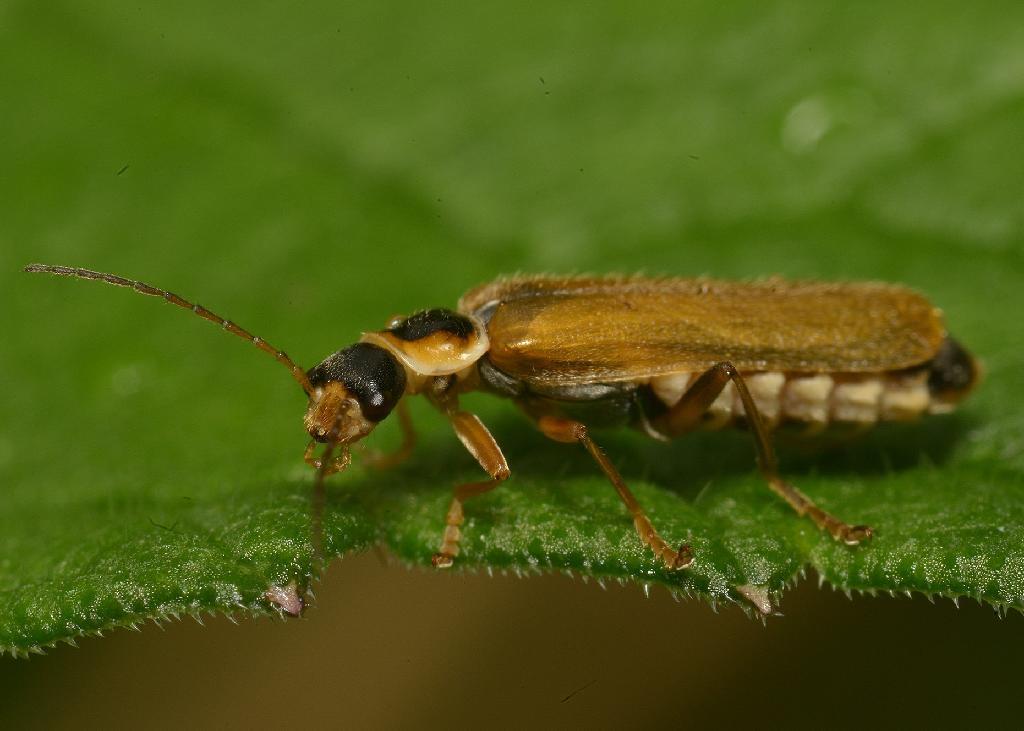
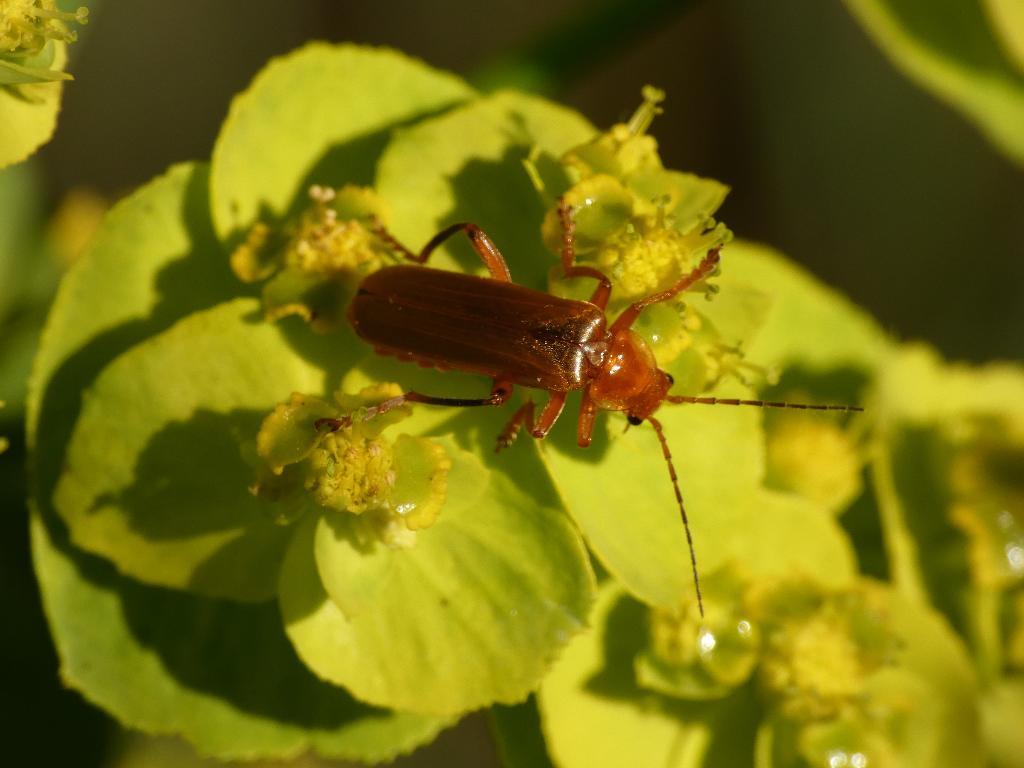
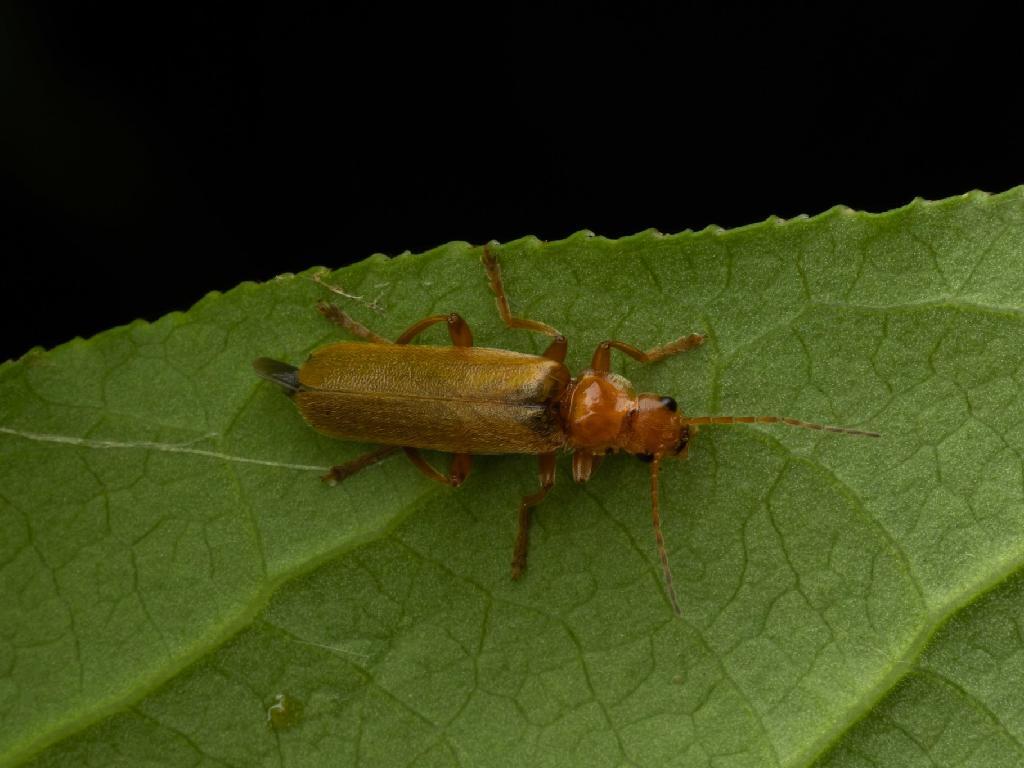
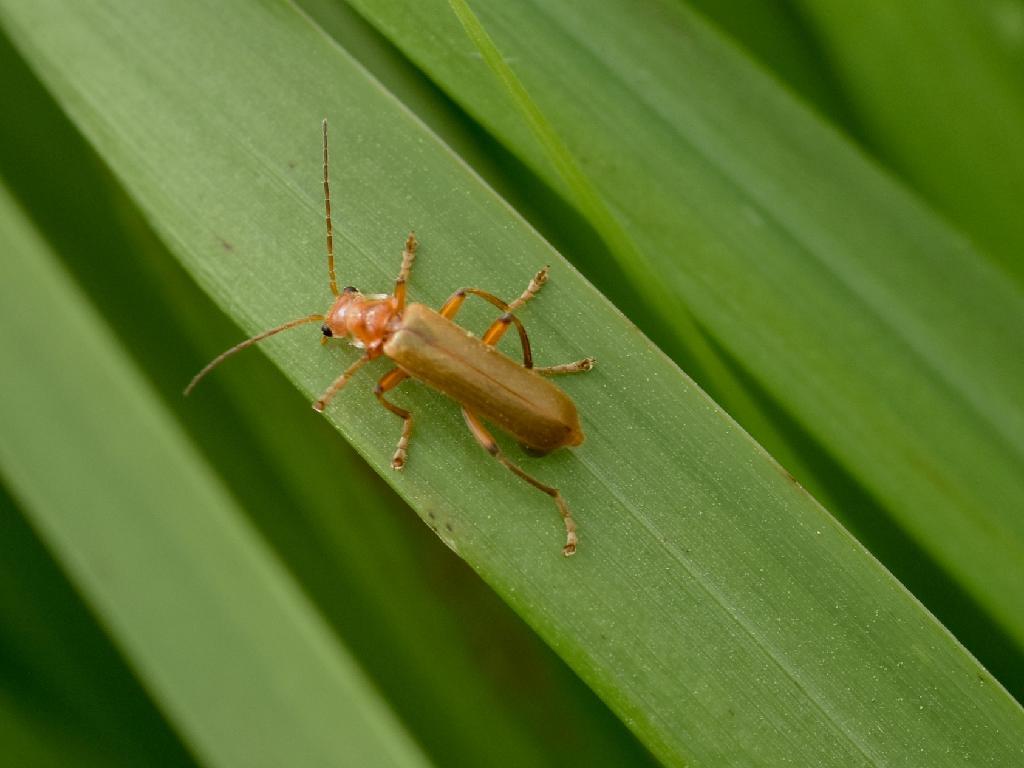
Cantharis Linnaeus, 1758


- 200 observations
-
77
communes -
50
observateurs
20
organismes -
Première observation
1976 -
Dernière observation
2026
Alençon - Argentan - Athis-Val de Rouvre - Aubry-le-Panthou - Aunay-les-Bois - Avernes-Saint-Gourgon - Barville - Bazoches-sur-Hoëne - Belforêt-en-Perche - Bellou-en-Houlme - Briouze - Brullemail - Bursard - Canapville - Carrouges - Ceaucé - Chailloué - Chanu - Colombiers - Coudehard - Coulimer - Coulonges-sur-Sarthe - Domfront en Poiraie - Écouché-les-Vallées - Essay - Gacé - Gandelain - Gouffern en Auge - Juvigny Val d'Andaine - La Chaux - La Ferrière-aux-Étangs - La Ferté Macé - L'Aigle - Lalacelle - La Lande-de-Goult - La Mesnière - Le Bouillon - Le Mêle-sur-Sarthe - Le Ménil-de-Briouze - Le Pin-au-Haras - Les Monts d'Andaine - Les Ventes-de-Bourse - Longny les Villages - Lonlay-l'Abbaye - L'Orée-d'Écouves - Magny-le-Désert - Marchemaisons - Mortrée - Moulins-la-Marche - Moulins-sur-Orne - Moutiers-au-Perche - Neauphe-sur-Dive - Passais Villages - Perche en Nocé - Putanges-le-Lac - Rives d'Andaine - Roiville - Sablons sur Huisne - Saint-Aubin-de-Bonneval - Saint-Céneri-le-Gérei - Saint-Fraimbault - Saint-Jouin-de-Blavou - Saint-Léger-sur-Sarthe - Saint-Mars-d'Égrenne - Saint-Martin-l'Aiguillon - Saint-Nicolas-des-Bois - Saint-Ouen-le-Brisoult - Saint-Patrice-du-Désert - Saint-Philbert-sur-Orne - Saint-Sulpice-sur-Risle - Sarceaux - Sées - Soligny-la-Trappe - Ticheville - Tinchebray-Bocage - Val-au-Perche - Vieux-Pont
-
Association Faune & Flore de l'Orne (AFFO)
Participation à 78 Observations
Part d'aide à la prospection : 39.00 %
Fiche organisme
-
PNR et géoparc mondial UNESCO Normandie-Maine
Participation à 66 Observations
Part d'aide à la prospection : 33.00 %
Fiche organisme
-

UMS PatriNat (OFB-CNRS-MNHN)
Participation à 27 Observations
Part d'aide à la prospection : 13.50 %
Fiche organisme
-
Habitants-bénévoles
Participation à 18 Observations
Part d'aide à la prospection : 9.00 %
Fiche organisme
-
GRoupe d'ETude des Invertébrés Armoricains (GRETIA)
Participation à 10 Observations
Part d'aide à la prospection : 5.00 %
Fiche organisme
-

Conseil départemental de l'Orne (bureau ENS)
Participation à 10 Observations
Part d'aide à la prospection : 5.00 %
Fiche organisme
-

Système mondial d’information sur la biodiversité (GBIF)
Participation à 9 Observations
Part d'aide à la prospection : 4.50 %
Fiche organisme
-
Ministère de la Transition écologique et de la Cohésion des territoires
Participation à 8 Observations
Part d'aide à la prospection : 4.00 %
Fiche organisme
-
Peter Stallegger (Consultant Environnement)
Participation à 7 Observations
Part d'aide à la prospection : 3.50 %
Fiche organisme
-
Bureaux d'études & consultants
Participation à 7 Observations
Part d'aide à la prospection : 3.50 %
Fiche organisme
-

Muséum national d'Histoire naturelle (MNHN)
Participation à 7 Observations
Part d'aide à la prospection : 3.50 %
Fiche organisme
-
Office national des forêts (ONF)
Participation à 6 Observations
Part d'aide à la prospection : 3.00 %
Fiche organisme
-
Office pour les insectes et leur environnement (OPIE)
Participation à 5 Observations
Part d'aide à la prospection : 2.50 %
Fiche organisme
-
Le Monde des Insectes (insectes.org)
Participation à 4 Observations
Part d'aide à la prospection : 2.00 %
Fiche organisme
-

-
Thema Environnement
Participation à 2 Observations
Part d'aide à la prospection : 1.00 %
Fiche organisme
-
IEL Exploitation 74
Participation à 2 Observations
Part d'aide à la prospection : 1.00 %
Fiche organisme
-
-

Conservatoire d'espaces naturels de Midi-Pyrénées (CEN MP)
Participation à 1 Observation
Part d'aide à la prospection : 0.50 %
Fiche organisme
-

CPIE Collines normandes
Participation à 1 Observation
Part d'aide à la prospection : 0.50 %
Fiche organisme




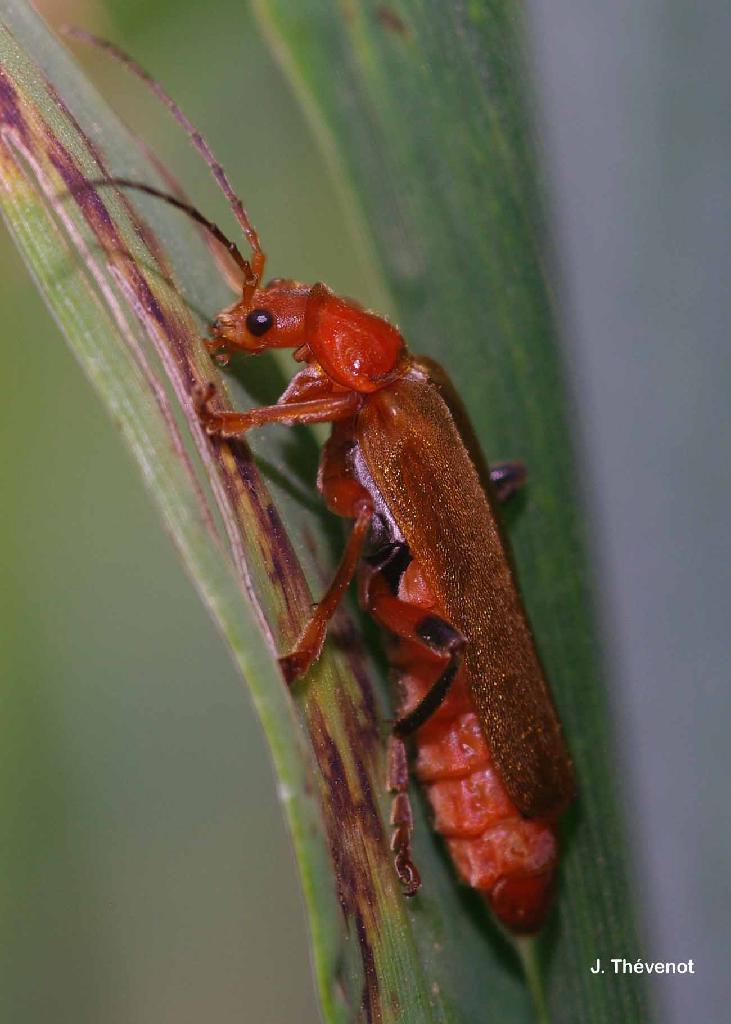
.jpg)
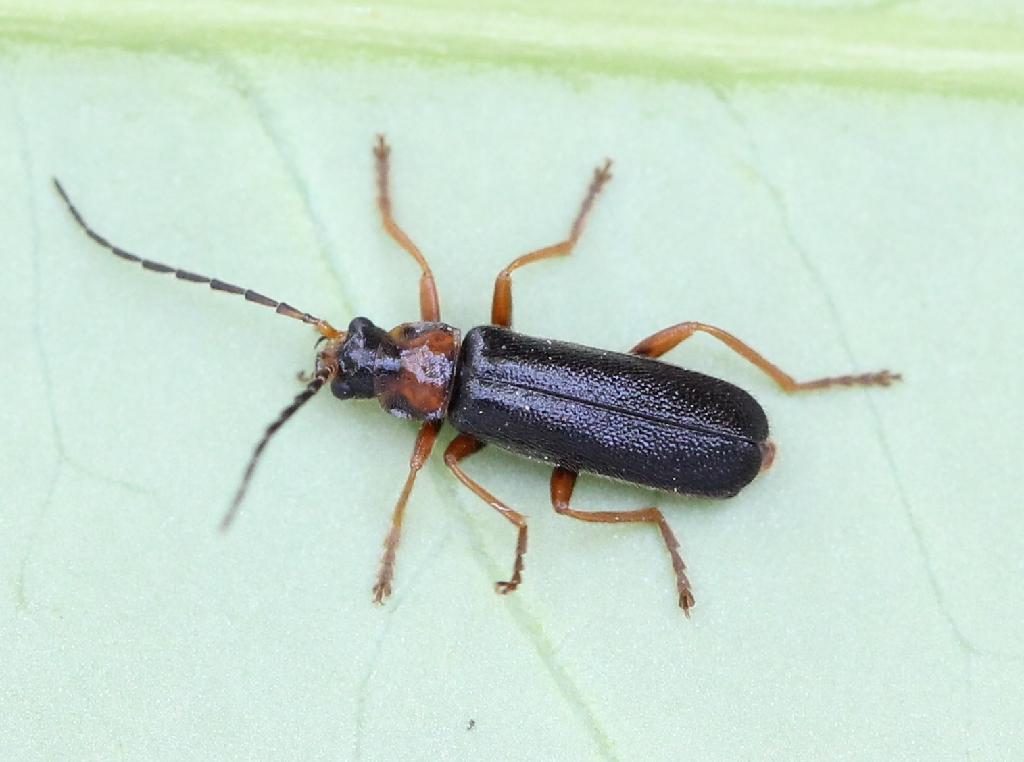
Informations espèce
Répartition actuelle en France métropolitaine
© INPN - Avertissement : les données visualisables reflètent l'état d'avancement des connaissances et/ou la disponibilité des données existantes au niveau national : elles ne peuvent en aucun cas être considérées comme exhaustives.
Répartition actuelle dans le monde
Avertissement : les données visualisables reflètent l'état d'avancement des connaissances et/ou la disponibilité des données existantes au niveau mondial : elles ne peuvent en aucun cas être considérées comme exhaustives.